
Free tool · no email required
What are the nights actually costing you?
Nobody sends you an invoice for the hours you spend on this after tea. That does not mean they are free — it means nobody has added them up.
Your after-hours bill
46 working weeks. The hours are valued at your charge-out rate because that is what an hour of yours is worth when you choose to sell it — not a claim you could have billed every one of them.
Watch: what an honest look at your business online checks
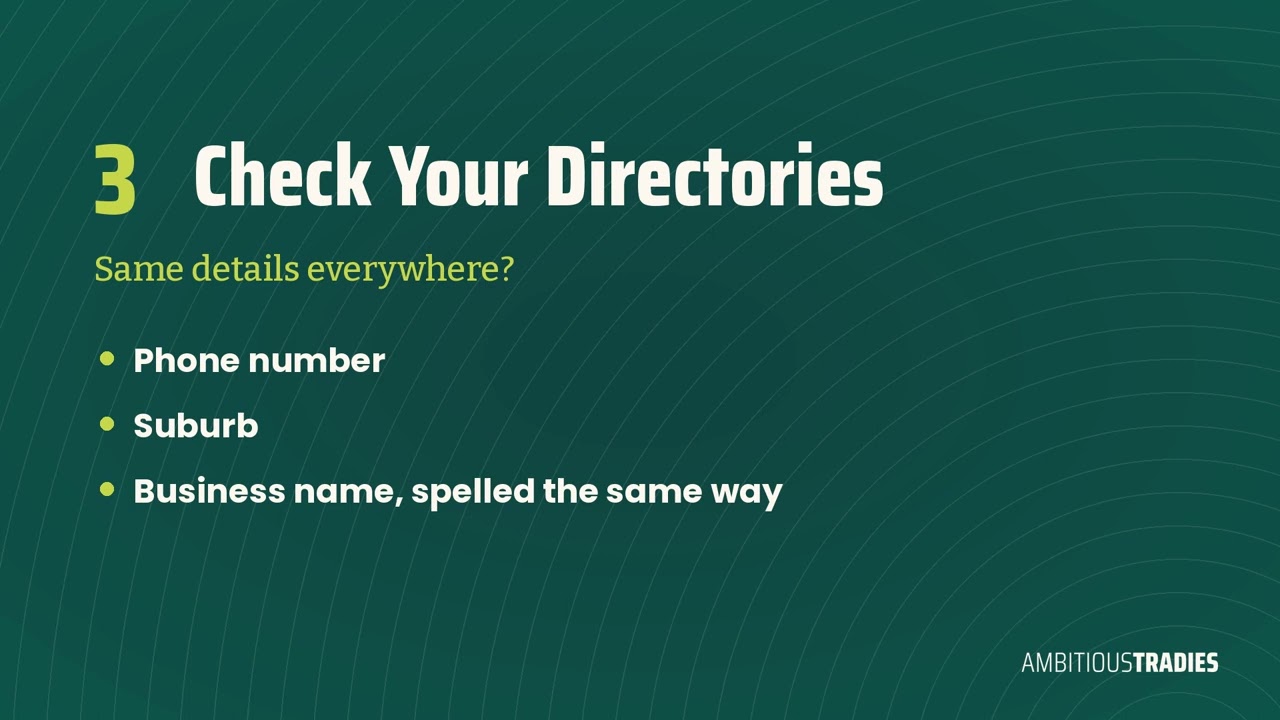
Two minutes on the four things to check before anyone sells you a fix. Presented by Matt, our AI presenter.
What the after-hours calculator says your evenings add up to
The calculator turns the hours you spend each week on this after hours, your charge-out rate and the software you pay for into hours a year and a dollar figure. A single big number is easy to shrug at. These three cards cover how it is worked out, what the result usually means, and what it leaves out, so it lands properly when you see it.
How the after-hours calculator works out your figure
Your weekly hours are multiplied by 46 working weeks to give hours a year, and valued at your charge-out rate. The software you pay for is counted for the share you do not actually use, on the assumption you would cancel what you are not using.
It runs in your browser: nothing you type is sent anywhere or stored. We keep one plain tally of how often the calculator is used, a number per day, never who used it and never what was entered.
What your after-hours result usually means
Six hours a week does not feel like anything. It is a Tuesday night, a Sunday morning, twenty minutes here and there while the kettle boils. Over a year it is closer to seven full working weeks.
And they are the worst seven weeks you will work, because they come after the ones you have already done.
What the after-hours calculator leaves out
It is not a claim you could have billed those hours. Valuing them at your charge-out rate is the price on the hour, not an invoice you failed to send.
What it leaves out costs the most: decisions made at nine o’clock at night after a full day on the tools. A year of those compounds in a way no hourly rate picks up.
What to make of your after-hours total
A few hours a week. Small on any one night, and still weeks over a year. Look at what the hours are spent on as well as how many there are.
A big number. Set it beside the working weeks it equals. Then work out whether the answer is doing less of it, or handing it over.
Software you rarely open. Count the subscriptions you pay for, then the ones you opened this month. Nobody has the evening spare to learn them properly, so they sit there billing monthly.
Treat the total as a floor. It is the smallest defensible version of what the evenings cost.
Four ways to undercount your evenings
- Counting only the long sessions. Twenty minutes while the kettle boils counts. Note them for a week and add them up.
- Leaving out the weekend. Sunday morning belongs in the weekly hours.
- Valuing your hour below your rate. Use what an hour of yours sells for when you choose to sell it.
- Rounding your software use up. Count the tools you opened this month, not the ones you meant to.

Free audit: where those hours should be pointed
The calculator adds up the hours. The audit goes further. A person looks at what a customer sees when they search for your trade in your own suburb, reads your Google listing and reviews next to the tradies above you, and emails you what is worth your time and what we’d do about it, in order. The calculator can’t see your listing or your reviews, so the audit looks at those by eye. You get the fixes, not just the figure.
Free. We email you what we find within a business day. No call unless you ask for one.
We never share or sell your details, and we do not add you to a mailing list.
Keep reading
Read next: for tradies short on evenings
6 min read
What month one actually looks like
The first 4 weeks of a content retainer, week by week, and which complaints are fair that early.
3 min read
Does AI copy hurt your Google ranking?
What Google actually rewards, the trap to avoid, and a quick test for every page on your site.
4 min read
Starting a trade business in 2027
Ten marketing decisions to get right before you spend a cent.
Google publishes its own plain-English reference: Google’s SEO starter guide.